Can the Seafood Industry Save Our Oceans? Here’s How Exporters Are Leading the Change
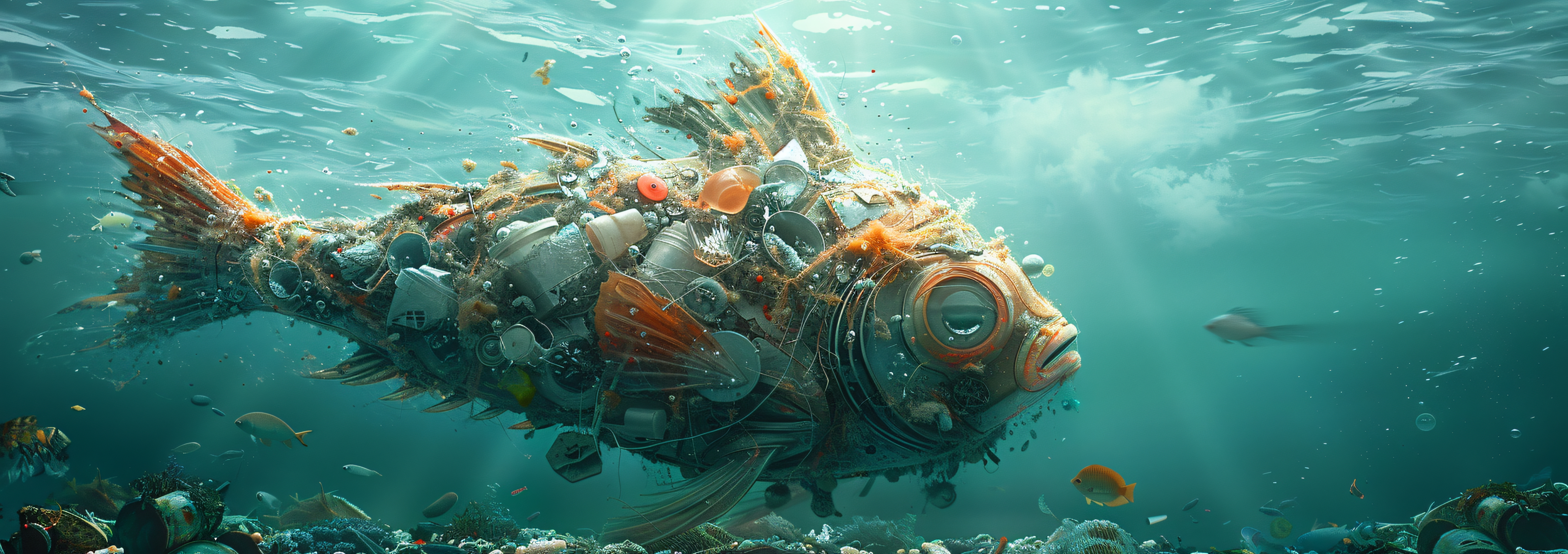
The oceans are one of the planet’s most vital ecosystems, covering over 70% of the Earth’s surface and supporting countless species. However, overfishing, pollution, and climate change have put immense pressure on marine life, threatening biodiversity and global food security. The seafood industry, once seen as a contributor to ocean depletion, is now emerging as a leader in sustainable practices that can help restore ocean health.
Companies like Petros Marine Exim are at the forefront of this movement, ensuring that seafood is sustainably sourced, responsibly processed, and exported globally while minimizing environmental impact. This article explores how the seafood industry is driving change, the role of exporters, and what consumers can do to support sustainable oceans.
1. The State of Our Oceans
Overfishing and Its Impact
- Approximately 34% of global fish stocks are overfished, according to the FAO.
- Overfishing disrupts marine ecosystems, threatening species like tuna, crabs, and pomfret.
- Small-scale fishermen often face economic pressure, leading to unsustainable fishing practices.
Pollution and Climate Change
- Plastic waste, oil spills, and industrial runoff are major threats to ocean health.
- Rising ocean temperatures affect fish migration, reproduction, and the growth of coral reefs.
The combined pressures of overfishing and pollution make sustainable seafood practices essential for ocean conservation.
2. How the Seafood Industry is Leading Change
A. Sustainable Fishing Practices
Exporters are adopting eco-friendly and responsible fishing methods, such as:
- Selective gear usage: Minimizes bycatch and protects juvenile species.
- Quota systems: Ensures fishing does not exceed sustainable limits.
- Marine Protected Areas (MPAs): Allows ecosystems to recover and flourish.
B. Aquaculture Innovations
- Fish farms and shrimp ponds are increasingly environmentally friendly, using recirculating systems to reduce water waste.
- Sustainable aquaculture ensures a steady supply of seafood without depleting wild stocks.
C. Certifications and Compliance
Global certifications guide sustainable seafood:
- MSC (Marine Stewardship Council) for wild-caught seafood
- ASC (Aquaculture Stewardship Council) for farmed fish
- FSSAI and HACCP standards for hygiene and quality in India
Exporters like Petros Marine Exim adhere to these certifications, ensuring traceability, safety, and environmental responsibility for crabs, prawns, and pomfret.
3. The Role of Exporters in Ocean Conservation
Exporters are key in bridging sustainable practices and global demand. Here’s how they contribute:
A. Responsible Sourcing
- Partner with licensed fishermen and sustainable farms.
- Ensure seafood is harvested without harming endangered species.
- Promote ethical labor practices in fishing communities.
B. Cold-Chain Logistics
- Exporters maintain strict cold-chain protocols, minimizing waste and ensuring seafood reaches consumers fresh.
- Reduces the need for over-harvesting to compensate for spoilage, indirectly protecting ocean stocks.
C. Educating Consumers
- Many exporters provide information on sustainable choices, helping buyers understand seasonal species and low-impact seafood.
- Educated consumers drive demand for responsible fishing practices globally.
D. Promoting Eco-Friendly Packaging
- Shift from plastics to biodegradable or recyclable materials for seafood exports.
- Companies like Petros Marine Exim integrate sustainable packaging solutions to minimize oceanic pollution.
4. Petros Marine Exim’s Role in Sustainable Seafood
Petros Marine Exim exemplifies how exporters can lead environmental change while delivering premium seafood:
- Premium Sourcing: Seafood is harvested from sustainable farms and responsible fisheries.
- Certification Compliant: All crabs, prawns, and pomfret comply with HACCP, ISO, and FSSAI standards.
- Eco-Conscious Logistics: Maintains cold-chain integrity while using environmentally responsible packaging.
- Global Export Leadership: Supplies high-quality, sustainable seafood to Europe, the Middle East, and Asia.
By integrating sustainability at every stage, Petros Marine Exim ensures both ocean conservation and superior seafood quality.
5. Consumer Actions to Support Ocean Conservation
A. Choose Sustainable Seafood
- Look for certifications like MSC or ASC.
- Buy from reputable exporters such as Petros Marine Exim who guarantee traceable and responsibly sourced seafood.
B. Reduce Waste
- Store seafood properly using refrigeration, IQF freezing, and vacuum packaging.
- Avoid over-purchasing to prevent spoilage.
C. Support Local and Seasonal Products
- Seasonal consumption reduces pressure on overfished species.
- Local sourcing minimizes carbon footprint and transportation impact.
D. Educate Others
- Share knowledge about sustainable seafood choices to increase global awareness.
6. Global Trends in Sustainable Seafood
- Eco-labeling: Consumers increasingly prefer certified sustainable seafood.
- Blockchain in Traceability: Exporters use digital solutions to track seafood from catch to consumer.
- Reducing Bycatch: Innovations in gear reduce accidental capture of non-target species.
- Climate-Friendly Aquaculture: Controlled environments reduce environmental impact compared to wild-capture fisheries.
7. Challenges and Solutions
The seafood industry faces several key challenges that need careful management. Overfishing remains a major concern, which can be mitigated by implementing quotas and establishing Marine Protected Areas (MPAs). Exporters play a crucial role in this by ensuring that only legally and sustainably harvested seafood reaches the market. Pollution, including plastic waste and environmental contaminants, poses another threat to ocean health. Companies can address this by reducing plastic use and adopting eco-friendly packaging, while exporters ensure responsible handling throughout the supply chain. Market pressure from rising global demand can lead to overexploitation, but efficient cold-chain logistics help minimize waste and maintain seafood quality. Finally, traceability is a challenge due to the complexity of global seafood supply chains. Exporters address this by employing digital tracking, maintaining certifications, and providing transparent documentation to buyers.
Petros Marine Exim effectively tackles these challenges by integrating sustainability at every stage of its operations and educating buyers on responsible seafood practices, ensuring high-quality, eco-friendly, and traceable seafood for global markets.
Conclusion
The seafood industry has the power and responsibility to protect our oceans. By adopting sustainable fishing practices, eco-friendly aquaculture, and responsible export logistics, companies can balance global seafood demand with environmental stewardship.
Exporters like Petros Marine Exim demonstrate that premium-quality crabs, prawns, and pomfret can be supplied globally while promoting sustainable practices. Through responsible sourcing, certifications, and cold-chain logistics, the seafood industry is proving that ocean conservation and profitable business can coexist.
By making informed choices, supporting sustainable exporters, and reducing waste, consumers and businesses alike can ensure that the oceans remain healthy, abundant, and thriving for generations to come.
FAQ: Sustainable Seafood and Ocean Conservation
Exporters promote sustainable sourcing, certifications, and cold-chain management, which protect fish populations and reduce waste.
- MSC: Marine Stewardship Council (wild-caught)
- ASC: Aquaculture Stewardship Council (farm-raised)
- FSSAI & HACCP: Food safety and quality
- Sourcing from licensed and responsible fisheries
- Using IQF and vacuum-sealed packaging
- Following HACCP, ISO, and FSSAI standards
Yes! Sustainable seafood is premium-quality, carefully handled to retain freshness, taste, and nutrition.
- Choose certified, traceable seafood
- Store and cook seafood properly
- Prefer seasonal and locally sourced products
Maintaining temperature ensures freshness and reduces spoilage, minimizing the need for over-harvesting and protecting ocean stocks.